Most players die with 10,000 credits in their stash and nothing to show for it. They hoard, they hesitate, and they waste inventory slots on junk. This Marathon loot economy guide changes that.**
In extraction shooters, your economy is your real progression bar. Gear comes and goes. Wealth — knowing what to pick up, what to sell, and what to bring — stays with you forever. A player with 5,000 credits and good loot sense will outperform a player with 50,000 credits and a full stash of garbage every single raid.
This Marathon loot economy guide covers everything: the most efficient credit farms, what items to sell versus keep, how trade routes work, and the crafting materials actually worth your inventory space.
If you are new to the game, read our Marathon beginner guide first. For map-specific loot locations, check our Marathon map guide.
1. How Marathon’s Economy Works (In 60 Seconds)
Marathon has five currencies. Most players only use the first one.
| Currency | How to Get It | What It Buys | Importance |
|---|---|---|---|
| Credits | Loot, sell, quests, bounties | Weapons, ammo, meds, basic gear | 🔥 Core |
| Reputation | Faction quests, specific item turn-ins | High-tier faction gear, exclusive attachments | 🔥 High |
| Crafting Materials | Dismantle gear, resource nodes | Ammo, meds, gear upgrades | ⭐ Mid |
| Keycards | Loot, quest rewards, rare enemy drops | Locked rooms, high-tier loot areas | ⭐ Mid |
| Rare Extract Items | Boss drops, high-tier crates | Traded to specific vendors for top-tier gear | 🕐 Late |
The fundamental rule of Marathon’s economy: credits are easy to get but easy to lose. Reputation is hard to get but permanent. Crafting materials cost nothing to keep. Spend credits freely. Protect your reputation. Hoard your materials.
2. The Best Credit Farms (Ranked by Credits Per Minute)
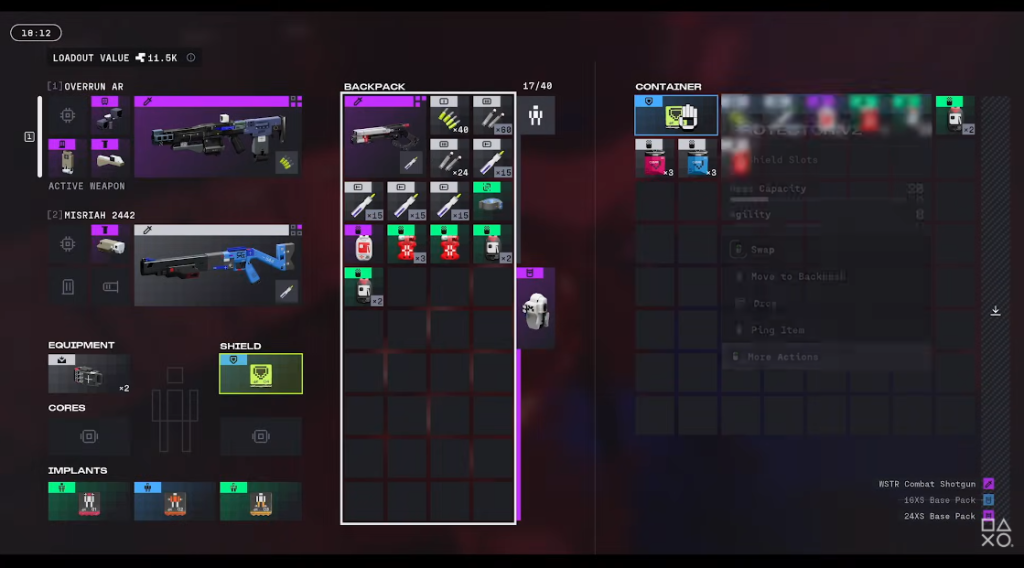
Every map has credit-farming routes. Some are more efficient than others. Here are the best farms, ranked by average credits per minute.
Top 5 Credit Farms
| Rank | Map | Route | Credits/Min | Risk | Best For |
|---|---|---|---|---|---|
| 1 | Talos Station | Officer Quarters → Cargo Bay B loop | ~800 CPM | Low | Solo beginners |
| 2 | Vestan Deeps | Old Storage → outer tunnel circuit | ~950 CPM | Medium | Solo/duo |
| 3 | Helios Array | Supply Depot → Maintenance Bay | ~1,100 CPM | Medium | Confident solos |
| 4 | Eos Chasm | Ventilation Hub → Skybridge Armory | ~1,000 CPM | High | Teams |
| 5 | Talos Station | Central Command clear (post-12 min) | ~1,500 CPM | Very High | Teams with boss gear |
#1 Spot: Talos Station Officer Quarters Loop
Spawn → Officer Quarters (loot all drawers, 2-3 keycard spawns)
      → Cargo Bay B (3 crates, attachment spawns)
      → Extract at North Landing

Average haul: 6,000-10,000 credits per run
Average run time: 8 minutes
Risk: Low. Both zones are off the main path.
Success rate: ~80% solo
Run this five times and you will have 30,000-50,000 credits. That buys a full meta loadout with change to spare.
#2 Spot: Vestan Deeps Outer Tunnel Circuit
Spawn → Old Storage (5-6 lootable containers)
      → Follow outer tunnel perimeter (avoid Crystal Cavern)
      → Extract at Emergency Shaft (bring keycard) or Main Elevator

Average haul: 7,000-12,000 credits
Average run time: 10 minutes
Risk: Medium. Outer tunnels are quieter but tight.
When to Farm Where
| Your Skill Level | Best Farm Map | Why |
|---|---|---|
| New player | Talos Station Officer Loop | Low risk, learn the map while farming |
| Confident solo | Vestan Deeps Outer Tunnels | Higher CPM, manageable risk |
| Experienced | Helios Supply Depot route | Best CPM for solo players |
| Full team | Central Command boss runs | Highest payout but requires coordination |
The number one rule of credit farming: do not get greedy. Extract when your bag is 70% full. A 7,000-credit run that you extract from is worth infinitely more than a 15,000-credit run where you die.
3. What to Sell vs What to Keep (The Loot Priority System)
The most common mistake new players make: filling their inventory with low-value items and having no room for high-value loot. Use this priority system to make split-second looting decisions.
Loot Priority Tier List
| Priority | Item Type | Sell or Keep? | Value per Slot | Notes |
|---|---|---|---|---|
| 🔥 P1 | Keycards | Keep (use for locked rooms) | Variable | Always pick up. Every keycard leads to 3-10x value. |
| 🔥 P1 | Boss drops | Keep (vendor turn-in) | 5,000-15,000 | Do not sell. Trade to faction vendors for unique gear. |
| 🔥 P1 | Rare attachments (Gold) | Keep for your guns | 2,000-8,000 | Only sell duplicates. |
| ⭐ P2 | High-tier consumables | Keep (use in raids) | 1,000-3,000 | Stims, advanced medkits, grenades. |
| ⭐ P2 | Crafting materials (rare) | Keep | 500-2,000 | Circuit boards, alloys, optics. |
| 💰 P3 | Weapons (unwanted) | Sell | 800-3,000 | Strip attachments first, sell gun separately. |
| 💰 P3 | Armor (unwanted) | Sell | 500-1,500 | Only pick up if it is better than what you have. |
| 🗑️ P4 | Common materials | Sell in bulk | 50-200 | Wood, scrap, basic cloth. Pick up only if bag has space. |
| 🗑️ P4 | Ammo (non-meta calibers) | Sell or leave | 10-50 | Do not fill your bag with ammo you will never use. |
The Per-Slot Value Rule
Before picking up an item, ask: “Is this worth at least 500 credits per inventory slot?”
| Item | Takes | Sells For | Per Slot | Worth It? |
|---|---|---|---|---|
| Rare attachment | 1 slot | 3,000 | 3,000/slot | ✅ Yes |
| Uncommon weapon | 6 slots | 1,200 | 200/slot | ❌ No |
| Circuit board x3 | 1 slot | 1,500 | 1,500/slot | ✅ Yes |
| Basic ammo x60 | 1 slot | 120 | 120/slot | ❌ Leave it |
| Keycard | 1 slot | 5,000+ (locked room) | 5,000+/slot | 🔥 Always |
The 500-credit rule avoids the most common loot mistake: extracting with a bag full of 100-credit junk while leaving 2,000-credit items on the ground.
Items You Should NEVER Sell
| Item | Why Not | What to Do Instead |
|---|---|---|
| Keycards | Unlock rooms with 3-10x return | Use immediately or save for next raid |
| Boss items | Trade to faction vendors for exclusive gear | Turn in at vendor, do not sell to general store |
| Circuit boards | Required for all mid-game crafting | Keep in stash |
| Optical lenses | Rare, needed for scope crafting | Keep |
| Gold-tier attachments | Unbuyable from vendors | Keep for your best weapons |
4. Trade Routes: Where to Buy Low and Sell High
Marathon has vendor price differences depending on the map and your faction standing. Knowing where to buy and sell saves thousands of credits over time.
| Item | Buy From | Sell To | Profit Margin | Notes |
|---|---|---|---|---|
| Ammo (bulk) | Talos Station vendor | Sell at Helios Array vendor | +15% | Helios prices are inflated |
| Meds | Vestan Deeps vendor (cheapest) | Use, do not resell | — | Stock up before expensive maps |
| Rare attachments | Player market (if available) | Sell individually, not to vendor | +30-50% | Vendors pay 30% of real value |
| Crafting materials | Buy low-tier, craft high-tier | Sell crafted items to vendors | +40-60% | Crafting adds value to raw materials |
The best trade route for solo players: buy meds and ammo on Vestan Deeps (cheapest vendor), use them on Helios Array (most expensive vendor). You save ~20% on every supply run.
5. Crafting: What Is Actually Worth Making
The crafting system is a trap for new players. You can craft dozens of items, but only a few are worth the materials.
Crafting Priority
| Craft This | Why | Materials Needed | Sell Value |
|---|---|---|---|
| Advanced Medkits | 2x healing of basic medkits | Common medkit + circuit board | Uncrafteable from vendors |
| High-tier Ammo | Required for endgame | Standard ammo + alloys | — |
| Scope Attachments | Vendor scopes are expensive | Optical lens + scrap metal | Saves 2,000-4,000 credits |
| Grenades | Always useful | Scrap + chemicals | Cheap to craft |
Do NOT Craft This
| Avoid Crafting | Why Not |
|---|---|
| Basic ammo | Cheaper to buy from vendors |
| Basic medkits | Loot them from every map for free |
| Low-tier armor | Vendors sell better for less than crafting cost |
| Cosmetic items | Zero gameplay value, costs rare materials |
The crafting rule: only craft what you cannot buy. If a vendor sells it, buy it. Save your materials for the items vendors do not stock.
6. Stash Management: The Inventory System That Saves You Time
A messy stash costs you time between raids. Time spent organizing is time not spent playing. Here is a clean system.
Stash Layout
| Section | What Goes Here | How Many Slots |
|---|---|---|
| Top rows | Weapons and armor (ready-to-use loadouts) | 20-30 slots |
| Middle rows | Meds, ammo, grenades (consumables) | 15-20 slots |
| Bottom rows | Crafting materials, keycards, rare items | 20-30 slots |
| Sell pile | Items marked for vendor sale | 10-15 slots |
Weekly Stash Routine
- Sell all P4 junk (common materials, unwanted ammo, low-tier guns you will never use).
- Consolidate crafting materials. If you have more than 10 of any common material, sell the excess.
- Check keycard expiry. Some keycards are map-specific and expire. Use them or lose them.
- Build 3 ready-to-go loadouts. When you die, grab the next one and re-queue. No downtime.
7. Insurance and Death Costs
Marathon’s insurance system lets you pay a fee to recover gear if you die and nobody loots your body. This is how insurance math works.
| Gear Value | Insurance Cost | Expected Return | Worth It? |
|---|---|---|---|
| Under 5,000 | ~500 | ~30% chance of return | ❌ Skip |
| 5,000-15,000 | ~1,500 | ~40% chance | ✅ Yes |
| 15,000-30,000 | ~3,000 | ~35% chance | ✅ Yes |
| Over 30,000 | ~6,000 | ~25% chance | ⚠️ Only on low-risk maps |
Insurance rule of thumb: insure gear worth 5,000-30,000 credits on Talos Station and Vestan Deeps. Skip insurance on Eos Chasm and Helios Array — the players there know to loot everything.
8. The 10-Run Wealth Building Plan
Follow this plan for 10 runs and your economy will be set for the week.
| Run | Map | Objective | Expected Profit |
|---|---|---|---|
| 1-3 | Talos Station | Officer Quarters loop. Loot and extract fast. | 18,000-30,000 |
| 4-5 | Vestan Deeps | Outer tunnel circuit. Bring keycard. | 14,000-24,000 |
| 6-7 | Talos Station | Re-supply. Buy meds and ammo from cheap vendor. | — |
| 8-9 | Eos Chasm (team) | Ventilation Hub + Armory run. Bring a friend. | 20,000-30,000 |
| 10 | Any map | Use your best gear. Play for fun, not profit. | Variable |
Total expected profit after 10 runs: 50,000-85,000 credits. Enough for 5-8 full meta loadouts.
Marathon Loot Economy Guide: The Bottom Line
The economy in Marathon rewards consistency, not heroics. The player who extracts with 7,000 credits six times in a row is richer than the player who chases a 50,000-credit boss kill and dies on the way out.
For new players: run the Talos Station Officer Quarters loop until you can do it blindfolded. Sell everything that is not a keycard, boss drop, or gold attachment. Buy cheap meds and ammo. Insure your mid-tier gear.
For intermediate players: start running Vestan Deeps outer tunnels. Learn to identify high-value items by sight. Start crafting advanced medkits. Build three ready-to-go loadouts so you never wait between raids.
For advanced players: optimize your trade routes. Buy on Vestan, sell on Helios. Turn boss items into faction reputation. Craft only what vendors do not sell. Your stash should take less than 60 seconds to manage between raids.
Wealth in Marathon is not about one big score. It is about making the right small decisions, run after run, until your stash is full and your loadouts are ready and credits are just a number you stopped worrying about.
QuickStrats — You Play. We Curate. Best-in-slot gear guide coming next.
As an Amazon Associate we earn from qualifying purchases. Gaming Mouse | Mechanical Keyboard | Gaming Monitor
Also read:
- Marathon Map Guide: Every Extraction Point, Loot Zone, and Ambush Hotspot
- Marathon Enemy & Boss Guide: Every Weakness and When to Fight vs Run
- Compare Game Key Prices — Save 50%+ With These Free Tools